
- Start Here
Explore GeJay Media
GeJay Media Blog
Practical articles, perspectives, and updates for people building and managing Joomla-powered websites, with an emphasis on simpler publishing, maintainability, and making better decisions about the websites you own.
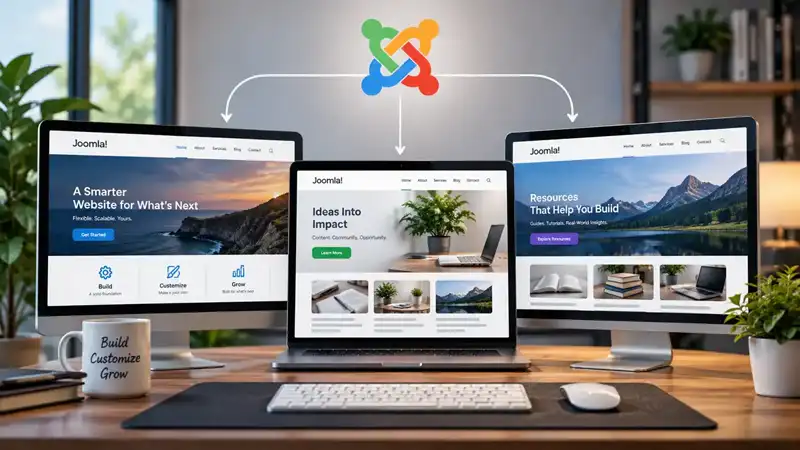
Installing a Joomla template doesn't mean every part of your website has to use the same configuration. A single template can have multiple Template Styles, each storing its own combination of sett...

Joomla categories provide the main editorial structure for articles, but that does not mean every subject, content variation, or future idea needs a category of its own. A category works best when ...
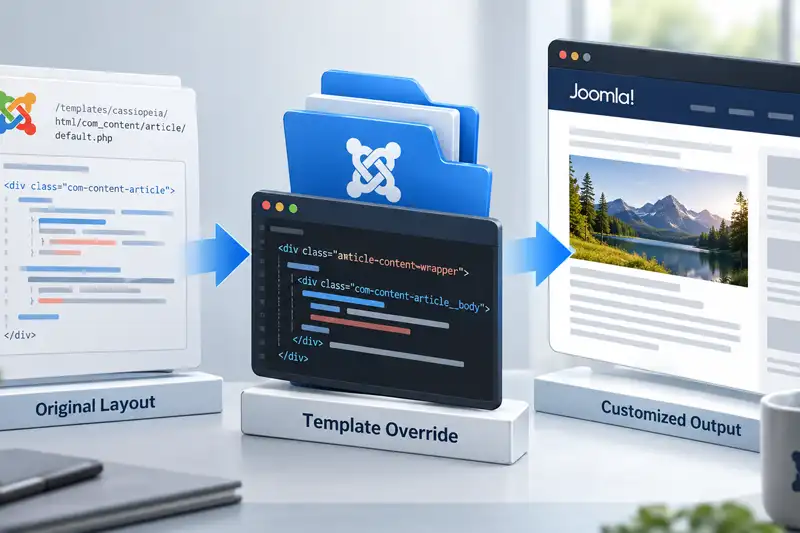
Joomla template overrides give you a way to change the HTML output produced by Joomla or an extension without editing the original files that provide that output. They are one of Joomla's most usef...
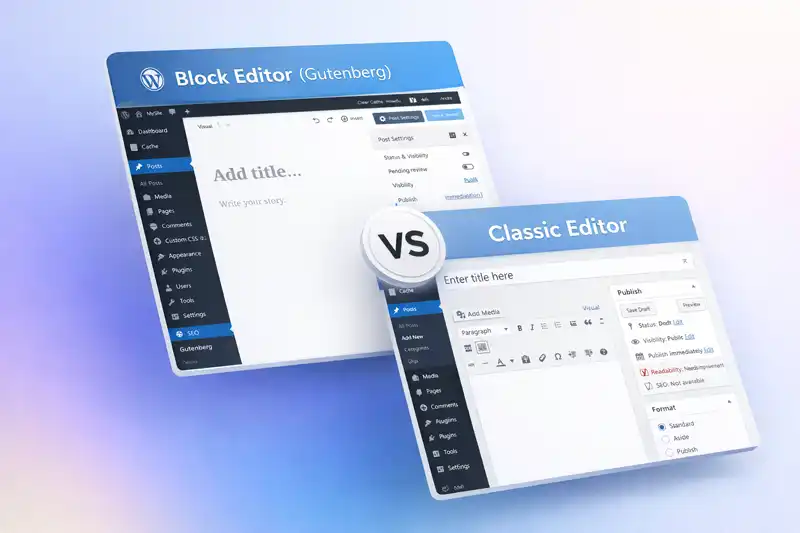
Block editors change more than the experience of writing a page. They can also change where layout and presentation decisions are stored, who controls those decisions, and how easily they can be ch...

Content management systems make publishing easier by automatically creating navigation, category listings, archives, filtered views, and other ways to discover content. That flexibility is useful, ...
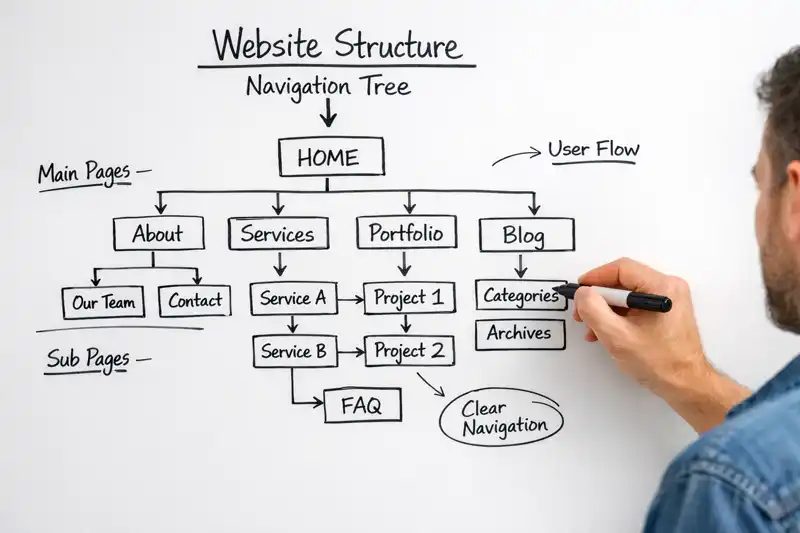
Navigation helps visitors move efficiently through a website, but it also provides search engines with links they can use to discover pages and understand how different parts of the site are connec...
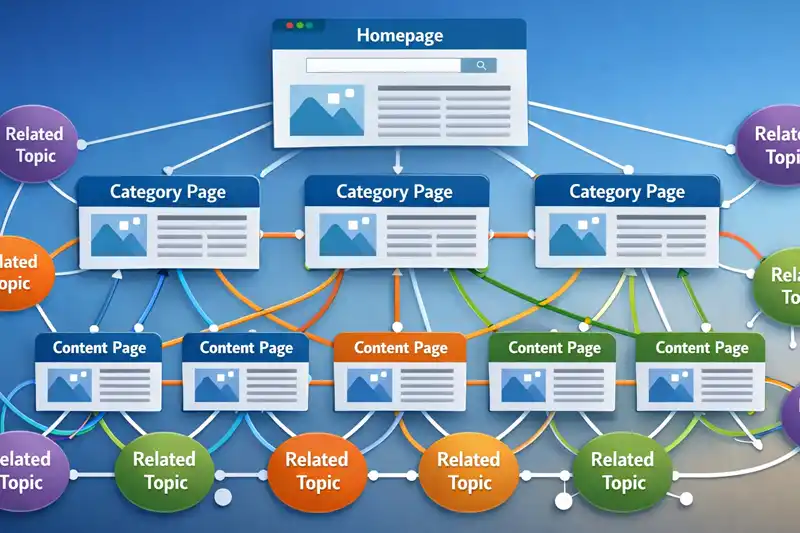
Internal links connect one page of a website to another page on the same site. They may look like a small editorial detail, but across a growing CMS website they become part of the structure that h...

A website rarely becomes difficult to maintain because of one dramatic event. More often, the change is gradual. Routine updates require more investigation, small changes produce unexpected results...
Keeping a CMS website updated is an important part of maintaining it. Updates fix security vulnerabilities, correct bugs, add or improve features, and help software remain compatible with the techn...

Plugins are one of the main reasons WordPress is so flexible. They allow site owners to add forms, ecommerce, backups, security tools, SEO features, performance controls, memberships, integrations,...

A website can work perfectly well today and still become increasingly difficult to maintain over the next several years. The change is usually gradual. New extensions are installed, settings are ad...

Website maintenance is easier to manage when it happens regularly rather than only when something breaks. Updates, backups, extension reviews, link checks, and other routine tasks may be individual...