
- Start Here
Explore GeJay Media
Website Management
Practical articles about managing and maintaining content-driven websites, including site structure, performance, technical SEO, stability, hosting, maintenance, and the decisions that affect a website over time.
Keeping Joomla updated is an important part of maintaining a secure, stable, and functional website. However, updates are not always as straightforward as selecting an available update and waiting ...

Website security advice can easily become dominated by fear. A new vulnerability appears, another security product promises stronger protection, or a list of recommended precautions grows until sec...

Websites rarely become difficult to manage because of one dramatic configuration change. More often, complexity accumulates through dozens of smaller decisions: a setting changed to solve a problem...

Seeing a successful backup message can be reassuring, but it does not necessarily mean your website can be recovered from that backup. Problems with the backup itself, its storage, or the restorati...

Website performance testing can produce an appealingly simple result: a score, a collection of measurements, and perhaps a list of things that could be improved. The difficulty begins when you run ...

Routine website maintenance is supposed to keep a website healthy. Updates are reviewed and applied, backups are maintained, important functionality is checked, and ordinary problems are addressed ...

There is no single backup schedule that is appropriate for every website. A site that changes only a few times each month has very different recovery requirements from an online store processing or...
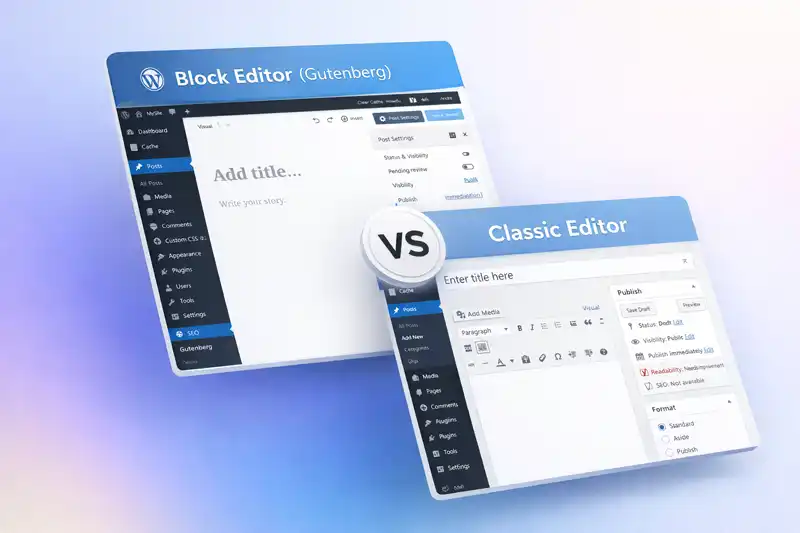
Block editors change more than the experience of writing a page. They can also change where layout and presentation decisions are stored, who controls those decisions, and how easily they can be ch...

Content management systems make publishing easier by automatically creating navigation, category listings, archives, filtered views, and other ways to discover content. That flexibility is useful, ...
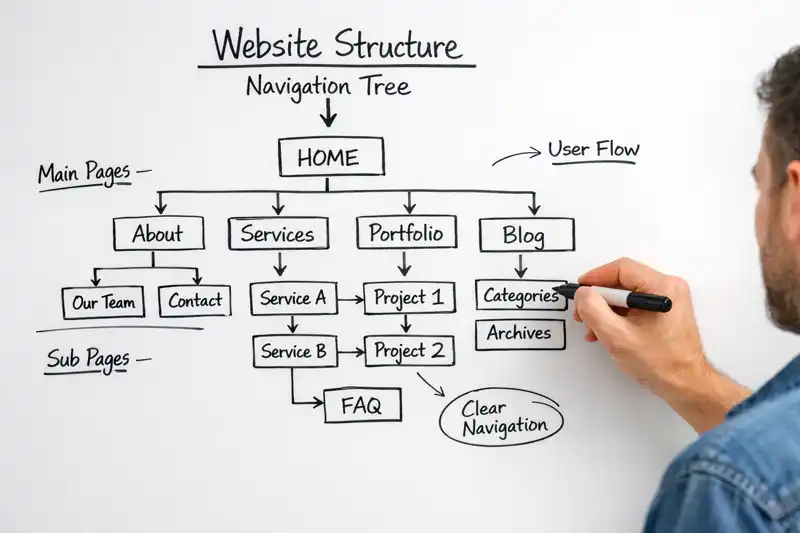
Navigation helps visitors move efficiently through a website, but it also provides search engines with links they can use to discover pages and understand how different parts of the site are connec...
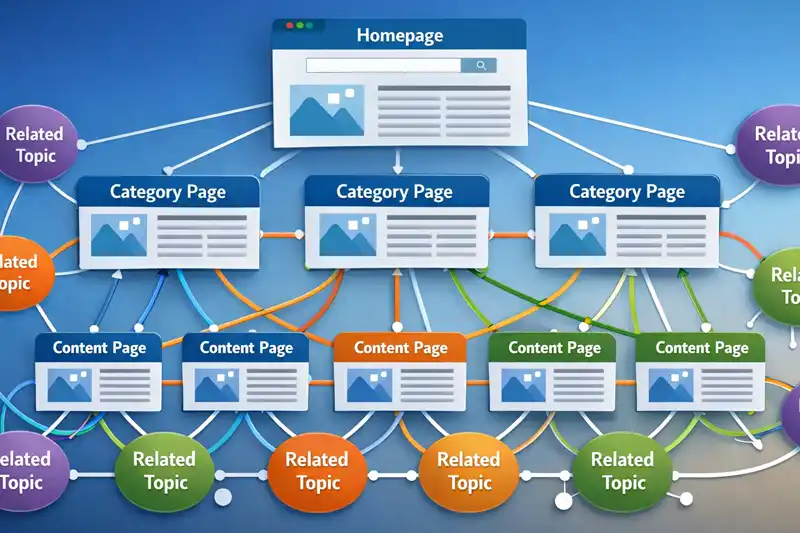
Internal links connect one page of a website to another page on the same site. They may look like a small editorial detail, but across a growing CMS website they become part of the structure that h...

A website rarely becomes difficult to maintain because of one dramatic event. More often, the change is gradual. Routine updates require more investigation, small changes produce unexpected results...