
- Project Quote
Submit a Request
CMS Architecture
Explains how CMS structure, editors, extension ecosystems, and platform design influence maintenance complexity, SEO behavior, and long-term website stability decisions.
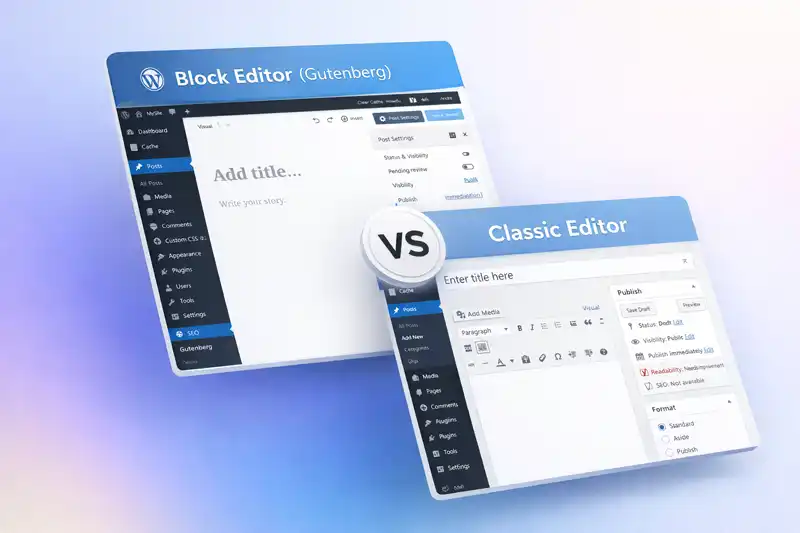
Block editors change more than how pages are written. They change how layout decisions are made, how styling is distributed across a website, and how maintenance responsibilities shift over time. F...

Block editors, like WordPress's Gutenberg, are often hailed as a revolutionary step in content creation, while traditional editors, such as Joomla's TinyMCE, are sometimes seen as outdated. However...

When people compare content management systems, discussions often focus on editors, themes, or performance. Less attention is given to how pages are actually assembled. Widgets and modules represen...

Most debates about content management systems aren’t really about features, performance, or even usability. They’re about workflow. Specifically, they’re about the order in which decisions ar...

WordPress has long been the go-to platform for creating websites, powering over 40% of the web. Originally, it was created to be a blogging platform; which it excels at. Its ease of use and massive...

Choosing the right CMS (Content Management System) can be overwhelming, especially when WordPress and Joomla dominate the landscape. Both platforms are powerful, but each excels in different areas,...

Choosing the right content management system (CMS) is one of the most critical decisions for website owners in 2025. With evolving needs such as accessibility, optimization, and an increasing focus...

Customizing your website is one of the most exciting things you can do to personalize it. Whether you're using WordPress or Joomla, customization allows you to create a site that stands out, reflec...