- Project Quote
Submit a Request
Maintenance

Why CMS Defaults Matter More Than Most People Think
Most people don’t actively choose how their CMS works. They accept what is presented to them first. Editors, settings, structures, and workflows are adopted not because they were evaluated, but b...
Why CMS Updates Sometimes Break Websites
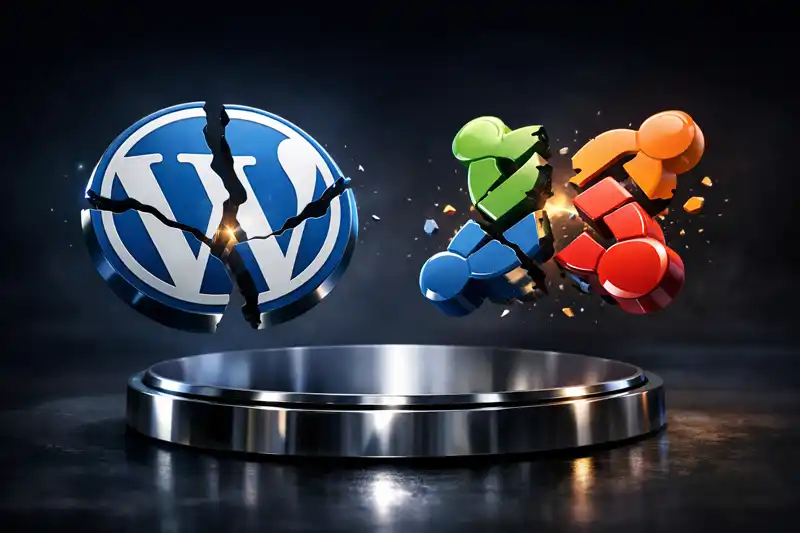
Most site owners understand that updates are necessary as they become available. They improve security, maintain compatibility with newer software versions, and help websites continue working relia...
Why Plugins Create Hidden Risk on WordPress Sites
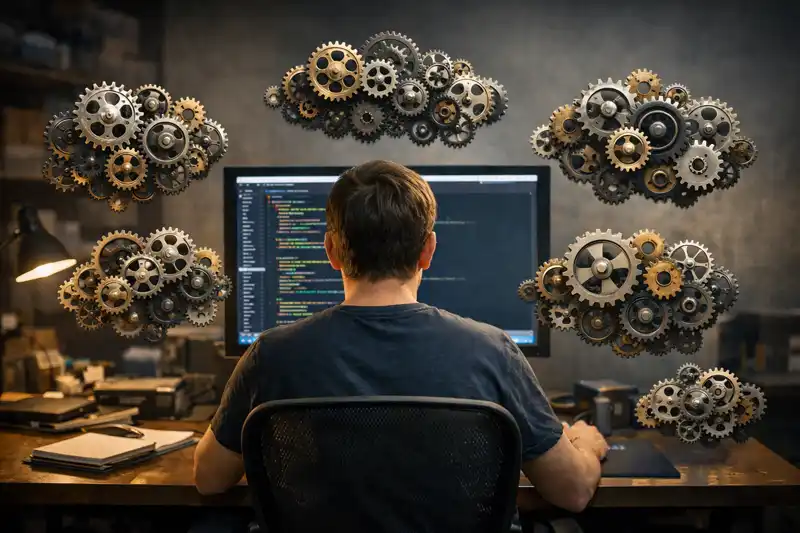
Plugins are one of the main reasons WordPress is so flexible. They allow site owners to add features quickly without changing the core system. Contact forms, security tools, backups, performance se...

Why Website Maintenance Should Be Routine
Website maintenance is frequently treated as firefighting: updates wait until something breaks, backups are neglected, and fixes happen under stress. For most small website owners, whether running ...

Why Websites Become Hard to Maintain Over Time
Most site owners assume that once a website is launched and working properly, it should continue behaving the same way for years. If something breaks later, it feels unexpected and often frustratin...